
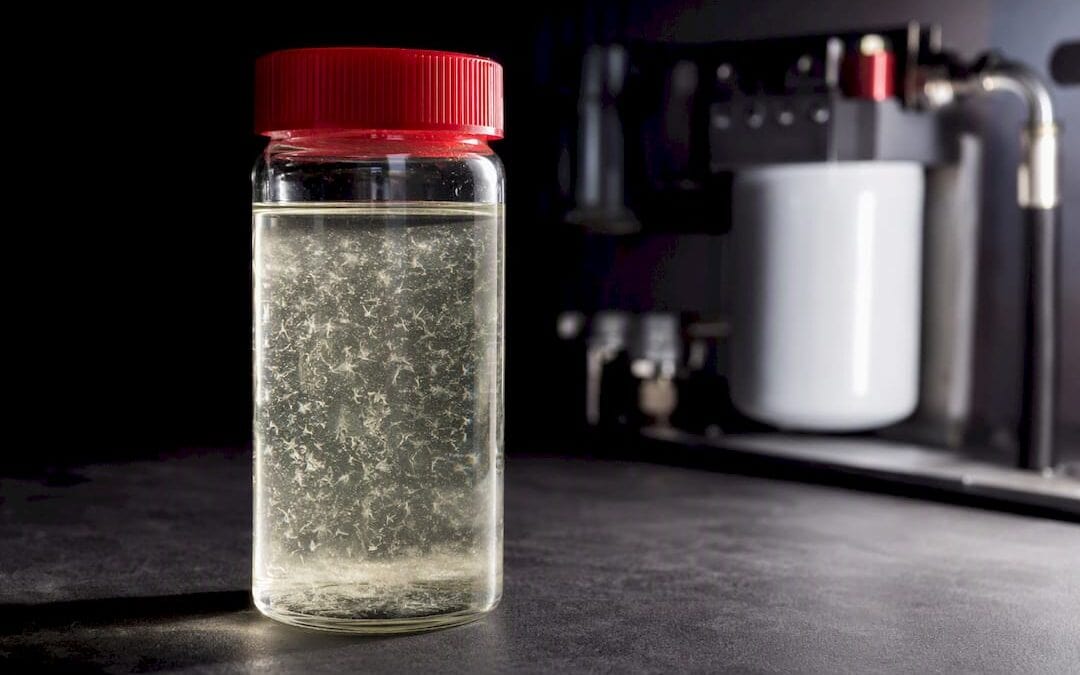
The safest approach is to treat your fuel preventatively with a polymer-based cold-flow improver before temperatures approach the fuel’s cloud point, keep an emergency solvent or deicer on hand for roadside recovery, and start treating biodiesel blends earlier than straight #2 diesel. Check your fuel’s cloud point now, dose ahead of the forecast, and stock spare filters before the first hard freeze hits.
TL;DR:
- Cold-flow improvers prevent wax crystal linking but do not eliminate existing gelled fuel, so treatment must occur before temperatures approach the cloud point.
- Adding anti-gel treatments should be done when forecast lows are within about 10°F of the fuel’s cloud point, not after gelation occurs.
- Biodiesel blends gel at warmer temperatures than straight diesel and require earlier treatment and more frequent checks.
- Emergency deicers and solvents help recover gelling issues but cannot reverse full gelation, requiring physical thawing and filter replacement.
- Suppliers’ winter programs may reduce gel point risks but do not fully replace on-site additive treatments for regional or unexpected cold snaps.
Table of Contents
- How Do Winter Diesel Additives Prevent Gelling?
- When Should You Add Anti-Gel Treatment?
- Which Brands Do Fleets Actually Rely On?
- What Do You Do When Fuel Gels or Filters Ice Up?
- Do Winter-Blend Fuel Programs Reduce the Need for Additives?
- What Safety Precautions Apply When Handling Winter Diesel Additives?
- What Environmental Rules Affect Winter Diesel Additive Use?
- Where Supplier-Managed Fuel Beats DIY Additive Programs
- Where to Verify Technical Specs and Winter Programs
- Sources
How Do Winter Diesel Additives Prevent Gelling?
Diesel gels because it contains paraffin wax, and wax starts forming visible crystals at a temperature called the cloud point. Keep cooling the fuel, and those crystals link together, clogging fuel filters and starving the engine. Diesel gets fuel gelling protection through several different chemical strategies, each doing a different job in the fuel system.
Cold-flow improvers, the polymer-based additives most fleets rely on, don’t stop wax from forming. They change the shape and size of the wax crystals as they form, keeping them small and separated so they slide through the filter instead of clogging it. AMSOIL’s Diesel Cold Flow additive claims to lower cold filter plugging point (CFPP) by up to 40°F and resuspend wax that has already started to crystallize.
Deicers and solvents work differently. They’re designed to dissolve ice in the fuel line and, to a lesser degree, help re-liquefy fuel that’s already gelling. They’re recovery tools, not prevention tools.
Cetane and lubricity boosters aren’t strictly cold-weather products, but many winter blends include them because ultra-low-sulfur diesel loses lubricity in processing, and cold weather amplifies wear on injectors and pumps.
Kerosene, or #1 diesel, blending physically lowers the fuel’s gel point by diluting the wax content. It works, but it comes at a cost:
- Cold-flow improvers: prevent crystal linking, minimal downside, don’t fix fuel that’s already gelled
- Deicers/solvents: dissolve ice and help loosen minor gelling, but offer no lasting cold protection
- Cetane/lubricity additives: protect injection systems, especially useful with ultra-low-sulfur diesel
- Kerosene/#1 blending: lowers gel point roughly 3 to 4°F per 10% blended in, but cuts energy density and reduces lubrication in high-pressure injection systems
When Should You Add Anti-Gel Treatment?
Timing decides whether your additive program actually works. Anti-gel additives have to be in the fuel before wax crystals link together. Once diesel has fully gelled, no additive reliably reverses it. Recovery at that point means physical thawing, not chemistry.
Here’s a practical sequence for building a treatment schedule:
- Pull your fuel’s cloud point from the supplier’s spec sheet or a gelling temperature chart if it isn’t listed.
- Track the forecast low for your storage or job site location daily once fall temperatures start dropping.
- Treat when the forecast low comes within about 10°F of the fuel’s cloud point. Bell Performance recommends this buffer specifically because cloud point is a lab measurement, not a hard failure line, and real-world tanks vary.
- Add the treatment to the tank before topping off with new fuel, not after, so the additive disperses evenly as the tank fills.
- Re-check treat rates any time you’re blending fuel from different suppliers or seasons, since older fuel may already carry residual treatment.
Treat rates vary by product and by how far below cloud point you expect temperatures to drop. Most cold-flow improvers list a standard rate for moderate cold and a higher rate for severe cold. Follow the label. Overdosing rarely improves protection and just adds cost across a large fleet.
Biodiesel blends need earlier attention. B20 and similar blends carry more paraffin content than straight #2 diesel and start gelling at warmer temperatures. Fleets running biodiesel should shift their treatment calendar up by several weeks and check stored biodiesel more frequently, since it can also degrade faster in storage than petroleum diesel.
Pro Tip: Never add cold-flow improver to fuel that’s already below its cloud point and showing haze. At that stage the crystals are already forming, and the additive can’t fully redisperse them. Treat earlier, not harder.
Which Brands Do Fleets Actually Rely On?
A handful of names show up across nearly every fleet’s winter shopping list, and each fills a slightly different role. Knowing which category a product belongs to matters more than brand loyalty.
- AMSOIL Diesel Cold Flow is a polymer-based cold-flow improver built for preventative dosing, with the manufacturer citing CFPP reductions up to 40°F when added before temperatures drop.
- Power Service Diesel Fuel Supplement (the familiar white bottle, Diesel 911 in red) splits into two products: one for preventative cold-flow treatment, one specifically formulated as an emergency deicer for fuel that’s already gelling.
- Howes Lubricator markets itself as a diesel treatment and lubricity additive, popular with owner-operators for both cold-flow protection and injector lubrication in one bottle.
- Lucas Oil Cold Flow Improver targets fleets that want a straightforward anti-gel additive without added detergents or cetane boosters, keeping the formula simple.
- Hot Shot’s Secret Diesel Extreme combines cold-flow protection with cetane and lubricity additives, aimed at operators who want a single multi-function product.
Treat rates and availability differ by product line and container size, so check the manufacturer’s technical sheet before dosing a full tank. What’s printed on a jug at a truck stop isn’t always the same formulation sold in bulk drums to fleets, and rates can shift accordingly.
What Do You Do When Fuel Gels or Filters Ice Up?
A gelled fuel system doesn’t fix itself, and pushing a stalled engine to restart repeatedly just risks damaging the starter and injection pump. Work through recovery in order.
- Get the vehicle off the road safely and shut it down. Don’t keep cranking the starter.
- Check whether the fuel filter or the lines themselves have iced up. A filter housing that’s noticeably colder or shows frost is usually the point of failure.
- Apply an emergency deicer or recovery solvent, such as a product like Power Service’s Diesel 911, directly to the fuel or filter per the label. These are formulated to re-liquefy wax and clear minor ice, unlike preventative cold-flow products.
- Warm the fuel filter and lines if possible, using an engine block heater, a heat gun at a safe distance, or moving the vehicle into a heated bay.
- Replace the fuel filter once flow resumes. A filter that’s been packed with wax rarely clears completely and will restrict flow again under load.
- If the truck won’t restart or you’re stranded, call for mobile fuel delivery or towing rather than risk damaging the fuel system further.
Once the engine runs again, drain any water separator, add a cold-flow improver to the refueled tank, and inspect fuel lines for cracks that cold weather may have exposed.
Pro Tip: Keep a spare fuel filter and a bottle of deicer in every vehicle’s cab during winter months. The fifteen minutes it saves on a roadside recovery is worth far more than the shelf space it takes up.
Do Winter-Blend Fuel Programs Reduce the Need for Additives?
Terminal-level winter programs handle part of the job before fuel ever reaches your tank. Love’s Winter Fuel Program, for example, blends detergents, cold-flow additives, and deicers into diesel at the terminal, along with #1 diesel blending, running seasonally across its network to improve cold-weather performance at the pump.
That doesn’t eliminate the case for on-site treatment. Refinery blends vary by region and by how conservative a supplier’s cold-weather targets are for that specific week. A load treated for a moderate cold snap in one region may not carry enough protection if your fleet operates through a sharper regional drop.
Practical coordination steps for fleets:
- Ask your fuel supplier directly whether winter-blend fuel is active for your delivery region and dates.
- Schedule deliveries earlier in the cold season rather than waiting for the first freeze warning.
- Keep a stocked reserve of cold-flow improver and deicer on-site regardless of what the supplier has already blended.
- Confirm with dispatch or your account rep how winter-blend timing lines up with your own usage calendar, especially for stored diesel that sits for weeks between fills.
What Safety Precautions Apply When Handling Winter Diesel Additives?
Winter diesel additives are petroleum-based chemical products, and they deserve the same respect you’d give any fuel additive on a job site. Most cold-flow improvers and deicers are flammable, so keep them away from open flame, welding operations, and running exhaust when dosing a tank.
Wear nitrile gloves and eye protection when handling concentrated additive, especially with deicer products that contain methanol or isopropyl alcohol blends designed to dissolve ice. These can irritate skin and eyes on contact, and methanol vapor in an enclosed space is a real hazard, so treat tanks in ventilated areas whenever possible.
Store additive containers upright, sealed, and away from direct sunlight or heat sources. Extreme temperature swings can degrade some polymer formulations faster than the label shelf life suggests. Label any secondary containers clearly if you transfer additive into smaller dosing bottles for field use, since an unlabeled container of deicer looks a lot like diesel fuel conditioner or windshield fluid to someone grabbing the wrong bottle in a hurry.
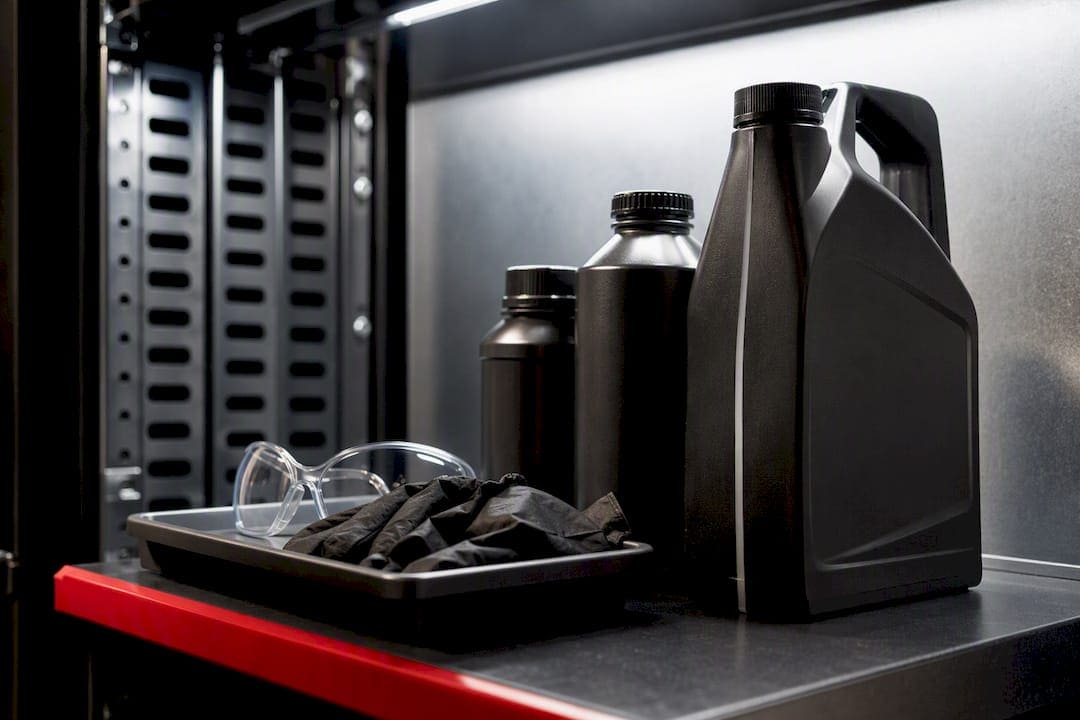
Keep the manufacturer’s safety data sheet (SDS) accessible for every additive your fleet stocks, particularly if you operate under OSHA hazard communication requirements. Dispose of empty containers and any spilled additive according to local hazardous waste rules rather than tossing them with regular trash, since some formulations are regulated as flammable or irritant waste depending on concentration.
What Environmental Rules Affect Winter Diesel Additive Use?
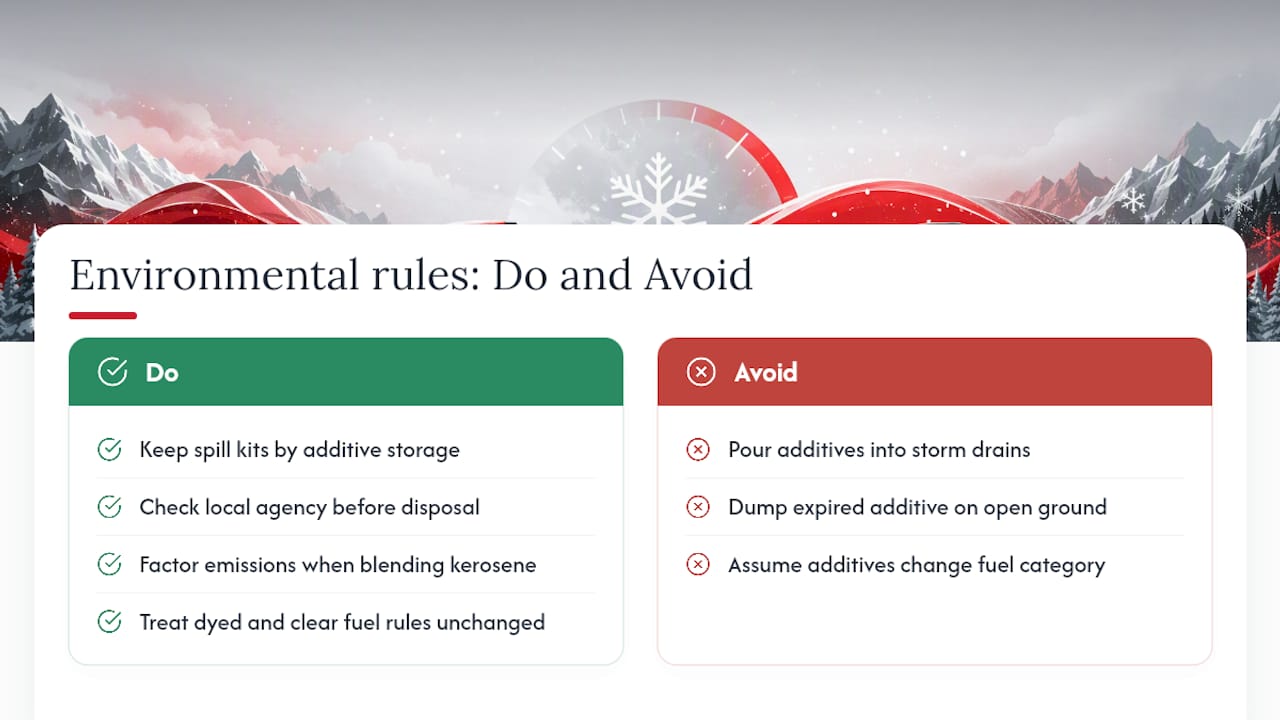
Winter diesel additives themselves aren’t heavily regulated at the federal level the way fuel dye or sulfur content is, but the fuel they’re added to absolutely is. Off-road diesel, the dyed red fuel used in construction and agricultural equipment, carries different tax and usage rules than clear on-road diesel, and additive treatment doesn’t change which fuel category applies.
Spill prevention matters more than most operators expect. A concentrated additive spill on soil or near a storm drain can trigger the same reporting obligations as a fuel spill under state environmental rules, depending on volume and location. Keep spill kits near bulk additive storage the same way you would near a fuel tank.
Kerosene blending carries its own environmental tradeoff worth knowing. Diluting diesel with kerosene lowers the gel point, but it also increases emissions slightly per gallon burned compared to straight ultra-low-sulfur diesel, since kerosene has different combustion characteristics. Fleets operating under state emissions programs or air quality permits should factor that into any decision to blend rather than use a polymer additive.
Disposal of unused or expired additive falls under the same general hazardous materials guidance as other petroleum products in most states. When in doubt, check with your local environmental agency before dumping old product, and never pour it into a storm drain or onto open ground.
Where Supplier-Managed Fuel Beats DIY Additive Programs
Buying jugs of additive and dosing tanks by hand works fine for a handful of vehicles. It gets harder to manage once you’re running a mixed fleet across multiple sites, tracking treat rates by hand, and hoping every driver actually reads the label before dumping a bottle into a half-empty tank.

Fuel delivery services can provide diesel already prepared for the season, cutting out the guesswork of matching treat rates to forecast lows across a scattered fleet. Instead of stocking additive inventory and training every operator on dosing procedures, you get fuel delivered where equipment sits, whether that’s a job site, an equipment yard, or a generator running through a cold front. Our on-demand and emergency diesel delivery service covers scheduled winter fills and rapid response when a cold snap catches a site off guard, backed by transparent invoicing so you know exactly what you’re paying for treatment and delivery.
Before your next hard freeze, ask any supplier three things: whether winter-blend fuel is active for your delivery region, what their emergency response time looks like, and how clearly they break down additive costs on the invoice. If you want those answers now, get a quote from Anytime Fuel Pros and get ahead of the season before temperatures drop.
Where to Verify Technical Specs and Winter Programs
For CFPP charts and cloud-point data, see FuelFlowPro’s gelling temperature chart. For manufacturer treat-rate claims, check AMSOIL’s technical notes. For supplier winter programs, review Love’s Winter Fuel Program details directly.
Sources
- Prevent diesel-fuel gelling this winter – AMSOIL Blog
- Winter Fuel Program
- Prevent your diesel fuel from gelling in cold temperatures – Bell Performance
- Diesel fuel gelling temperature chart – FuelFlowPro
Recent Comments