
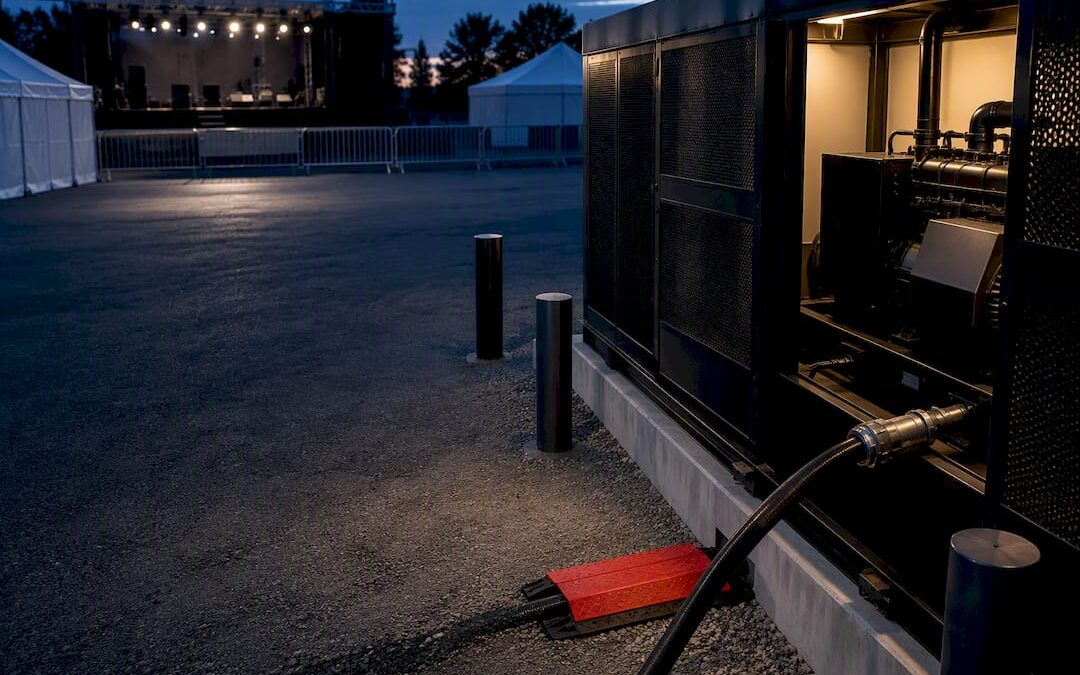
Require any event fuel vendor to commit in writing to scheduled deliveries, a documented emergency-response SLA, and confirmed generator fuel-burn data matched to your event schedule. If a vendor cannot produce a fuel-burn chart tied to your generator’s model and confirm 24/7 emergency contact protocols before contract signing, keep looking. That single requirement prevents most on-site power failures at live events.
TL;DR:
- Vendors must provide a written schedule for delivery, an emergency response SLA, and fuel-burn data matched to your generator’s model before signing the contract.
- Confirm the vendor can deliver diesel, gasoline, and DEF directly or through a trusted partner network, especially for multi-site events, with clear scope and safety documentation.
- Build an accurate load inventory and verify generator specs against your power demands, requesting specific fuel-burn charts for precise planning and runtime calculations.
- Establish site access protocols, safety controls, and documentation for fuel staging, including spill response, labeling, and coordination with fire authorities, to ensure safe, compliant deliveries.
- Assign dedicated on-site personnel to document every fuel transfer, verify quantities, and review levels regularly to prevent mid-show outages and facilitate rapid contingency responses.
Table of Contents
- Building an Event Fuel Vendor Checklist: Vetting and Contract Essentials
- Confirming Your Generator and Fuel Plan Match Actual Event Loads
- Setting Site Rules for Safe, Compliant Fuel Deliveries
- The On-Site Delivery Workflow Every Fuel Handoff Should Follow
- How to Prevent Outages With a Contingency and Emergency Refuel Plan
- Why Anytime Fuel Pros Fits This Checklist
- Sources
- FAQ
Building an Event Fuel Vendor Checklist: Vetting and Contract Essentials
A fuel vendor’s fleet size means nothing if the paperwork behind it is thin. Before signing anything, confirm the vendor actually delivers what your event needs, where you need it, and can prove it operates within the safety standards regulators expect.
Start with capability. Can this vendor deliver diesel, gasoline, and DEF (diesel exhaust fluid) on-site, or do they subcontract part of that? If your event spans multiple states or venues, ask whether they cover your market directly or through a partner network, since a single point of contact across sites saves hours during a crisis.
Then move to documentation and terms:
- Certificate of insurance (COI) with pollution liability coverage, not just general liability
- Fuel-handling certifications relevant to on-site delivery and storage
- Guaranteed delivery windows, written into the contract, not just promised verbally
- A documented emergency-response SLA with a stated response time
- Minimum order quantities and invoicing that itemizes delivered gallons, not just a flat charge
- Named contacts for escalation, available outside business hours
- A commitment to provide fuel-burn chart verification tied to your generator model
Ask about pricing transparency up front. Some vendors quote a rate that excludes delivery fees, after-hours surcharges, or fuel taxes, which turns a competitive bid into the most expensive option once the invoice arrives. Get a sample invoice before you sign.
Pro Tip: Ask every prospective vendor for a reference from a multi-day event, not a single job site delivery. Festivals and productions stress-test a vendor’s logistics in ways a one-time construction drop never will.
Confirming Your Generator and Fuel Plan Match Actual Event Loads
Guesswork is the single biggest cause of mid-show power failures, and it starts before the fuel truck ever shows up. Get this stage right and the rest of the checklist becomes routine maintenance instead of crisis management.
Build a complete load inventory first. List every device drawing power, then group it into zones, main stage, lighting rigs, vendor row, HVAC, backstage, and production trailers, so you know exactly what each generator needs to carry.
- Confirm generator specs against your load list: kW/kVA rating, single versus three-phase, voltage, frequency (60 Hz is standard in the US), and whether the unit is rated prime or standby.
- Verify distribution compatibility, including cam-lock connectors, panel capacity, and grounding and cable routing requirements your temporary-power contractor will need to sign off on.
- Request the exact fuel-burn chart for that generator model from the rental house or manufacturer, since fuel burn shifts with both model and load percentage rather than staying fixed.
- Calculate total runtime needed across setup, sound check, show hours, overnight idle, and teardown, then add a planning margin of at least 20 percent for inrush and unplanned demand.
- Confirm fuel type matches engine requirements and schedule DEF delivery separately if your diesel units require it.
Fuel burn is not a fixed number. A generator running at 40% load consumes noticeably less fuel per hour than the same unit at 80% load, which is why asking the rental company for the model-specific burn chart matters more than trusting a generic estimate from a spec sheet.
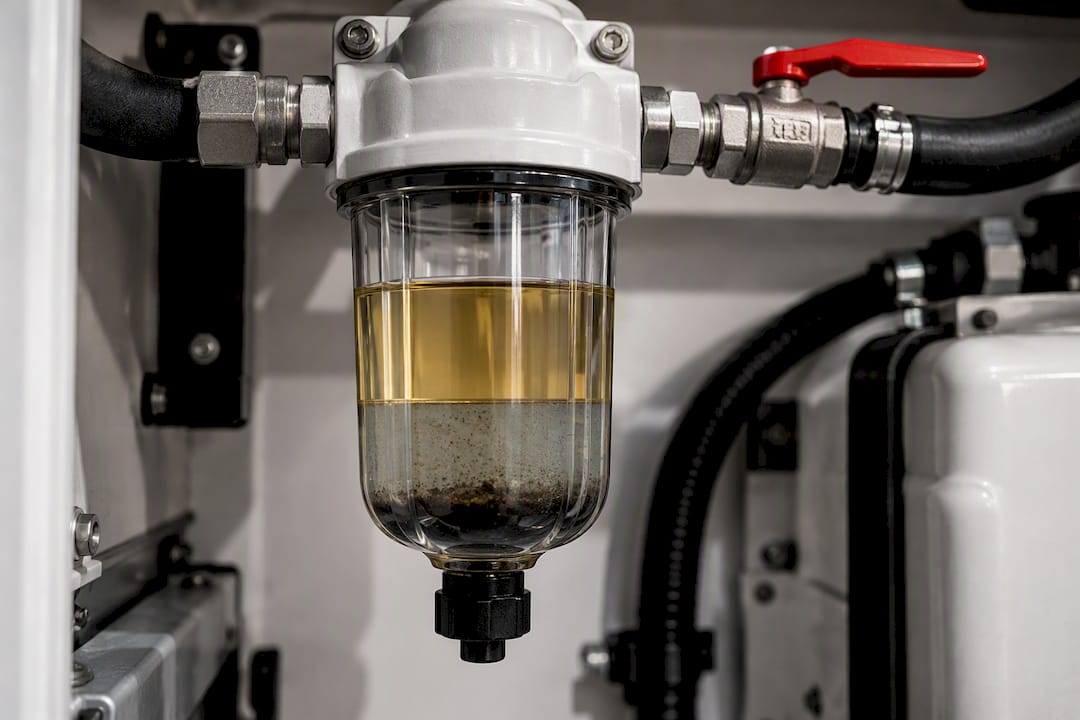
If tanks will sit filled for several weeks before an event, ask your vendor about fuel polishing to remove water and sediment before it clogs a generator mid-show.
Setting Site Rules for Safe, Compliant Fuel Deliveries
Your fuel vendor needs clear instructions the moment their truck approaches the gate, not a scramble of hand-drawn maps and verbal directions on delivery day.
Define staging areas and access routes before the first truck arrives. Specify delivery windows that avoid peak crowd movement, and give drivers a single point of contact who can grant tank access without delay.
Safety controls matter just as much as access logistics:
- Secondary containment under every tank and generator, sized for a full-volume spill
- Spill kits staged within reach of fueling points, not locked in a distant supply trailer
- Clearly labeled storage tanks showing fuel type and capacity
- Exhaust clearances that keep fumes away from crowds, air intakes, and enclosed tents
- Fire extinguishers rated for fuel fires, positioned at every generator and tank
Permits and documentation need to move in both directions. Share your electrical one-line diagrams, generator locations, and fuel quantities with the fire marshal ahead of time, and confirm what the venue itself requires beyond municipal permits.
Pro Tip: Assign hose, ramp, and protective covering setup explicitly in the contract. “The vendor handles it” sounds obvious until two crews show up expecting the other to bring cable ramps.
The On-Site Delivery Workflow Every Fuel Handoff Should Follow
A repeatable routine at every delivery protects you from the two most common failures: shorted quantities and undocumented mistakes nobody catches until the invoice arrives.
- Before the truck arrives: confirm current gauge readings, verify tank access is clear, and have a copy of permits ready along with a named contact for the driver.
- During the transfer: make sure the generator or tank is safe to refuel, observe the hose connection and transfer directly, and confirm the gallons delivered match the paperwork before the driver leaves.
- Document in real time: photograph the meter reading and the delivery ticket together, since a photo settles disputes that memory cannot.
- After the delivery: log the quantity, file the digital receipt, update your fuel-level tracking sheet, and flag anything unusual, a slow fill rate, odd fuel smell, or a mismatched ticket, for vendor follow-up.
Assign one named person as the on-site fuel monitor for each shift, and hand over a short written checklist between shifts so the incoming monitor isn’t guessing what already happened. This single practice, confirming levels, access, and delivery quantity at every handoff, catches more problems than any amount of after-the-fact troubleshooting. It also builds the on-site delivery setup that keeps a multi-day event running without last-minute scrambles.
How to Prevent Outages With a Contingency and Emergency Refuel Plan
Reserve fuel is a balancing act. Carry too little and a delayed truck becomes a dead stage; carry too much and you’re storing excess volume that raises safety and environmental risk without adding real protection.
Set a specific reserve threshold, in hours of runtime, for every critical generator, and document the exact fuel level that triggers an automatic reorder. Waiting until a gauge nears empty removes any margin for a vendor’s response time.
- Require a written emergency SLA with a stated maximum response time, not a vague “we’ll get there fast”
- Keep a 24/7 contact list with backup names, since a single point of failure in your contact chain defeats the purpose of an SLA
- Choose a monitoring method that fits your event size: scheduled physical checks for smaller shows, remote telemetry for larger multi-generator sites, and manual checks during peak evening hours regardless of scale
- Document a spill procedure naming who notifies the venue and fire marshal, and confirm the vendor’s remediation responsibilities in writing before an incident, not after
Pro Tip: Walk the site before gates open and physically verify generator placement, fuel levels, and cable protection. A pre-gate site walk catches the kind of last-minute vendor addition, an extra food truck with a high-draw fryer, that no spreadsheet will flag on its own.
Why Anytime Fuel Pros Fits This Checklist
Some fuel vendors offer on-site diesel, gasoline, and DEF delivery, scheduled runs during event windows, and emergency refueling with 24/7 response in covered areas. Nationwide coverage through partner networks means festivals, film shoots, and touring productions can benefit from a single point of contact across multiple states, with transparent, itemized invoicing that shows delivered gallons rather than a flat estimate.
When you request a quote, ask us directly about fuel-burn verification for your specific generator model, confirmed delivery windows around your show schedule, support with permit documentation for your venue or fire marshal, and exactly how invoicing will itemize each delivery. Review our full fuel services lineup to see which delivery type fits your event, check emergency fuel delivery options for contingency planning, or start a conversation about mobile fleet fueling if your production runs support vehicles alongside your generators. Reach out with your event dates and generator specs, and get a proposal built around your actual load schedule instead of a generic quote.
Sources
For deeper technical reference, review this generator rental planning guide, a detailed event generator fuel safety checklist, and a practical generator refueling checklist built for facilities preparedness.
- Rental Diesel Generators for Events and Festivals
- Fuel Management for Events: Ensuring Reliable Power for Festivals – Event Sparks Limited
- A Practical Generator Refueling Checklist for Facility Preparedness
FAQ
What Should Be in an Event Fuel Vendor Checklist?
An event fuel vendor checklist should confirm delivery capability for diesel, gasoline, and DEF, a documented emergency SLA, insurance and pollution coverage, and a fuel-burn chart tied to your generator model. It should also spell out delivery windows, invoicing format, and named escalation contacts before you sign a contract.
How Much Fuel Reserve Should an Event Keep on Hand?
Reserve levels should reflect hours of runtime for each critical generator, set as a specific trigger point rather than a rough guess. Carrying too little risks an outage if a delivery is delayed, while overstocking raises safety and environmental risk without adding real protection.
Who Is Responsible for Monitoring Generator Fuel Gauges?
The event should assign one named on-site fuel monitor per shift rather than assuming staff will notice a low gauge on their own. That person confirms readings before and after every delivery and hands over a short checklist to the next shift.
Does Anytime Fuel Pros Handle Emergency Refueling During Live Events?
Yes, Anytime Fuel Pros provides 24/7 emergency response in covered areas alongside scheduled deliveries, so a live event isn’t left waiting if a generator runs low mid-show. Details about response coverage and service areas are available through our emergency fuel delivery page.
What Permits Does an Event Need Before Fuel Delivery?
Requirements vary by venue and jurisdiction, but organizers commonly need to submit site plans, generator locations, fuel quantities, and electrical one-line diagrams to the fire marshal or local authority. Confirm venue-specific documentation requirements early, since fire marshal review timelines can affect your event schedule.
Recent Comments